How Much Do Utilities Cost in Thailand With Aircon?
The government electricity rate in Thailand is about ฿3.88 per unit (Jan–Apr 2026), rising to ~฿3.95 (May–Aug), but most condos and private landlords rebill tenants at ฿6–10 per unit instead of passing through the government rate. Aircon is what actually drives the bill: running it lightly in the evenings costs roughly ฿800–1,500 a month, while keeping a unit on most of the day through hot season (March–May) can push a single month to ฿6,000–9,000. Water and internet add another ฿750–1,400 on top.
Quick answer
- Government electricity tariff: ฿3.88/unit (Jan–Apr 2026), ~฿3.95/unit (May–Aug 2026)
- Landlord/condo rebilled rate: commonly ฿6–10/unit — ask before you sign
- Light aircon use (evenings only): ~฿800–1,500/mo
- Moderate use (10–12 hrs/day, one room): ~฿1,778/mo for the aircon alone, ฿3,000–5,000 total bill in hot season
- Heavy use (24-hour, peak hot season): ฿6,000–9,000 in a single month
- Water: ~฿100–300/mo (budget ฿200) · Fiber internet: ~฿550–1,300/mo
Why the same aircon costs so differently
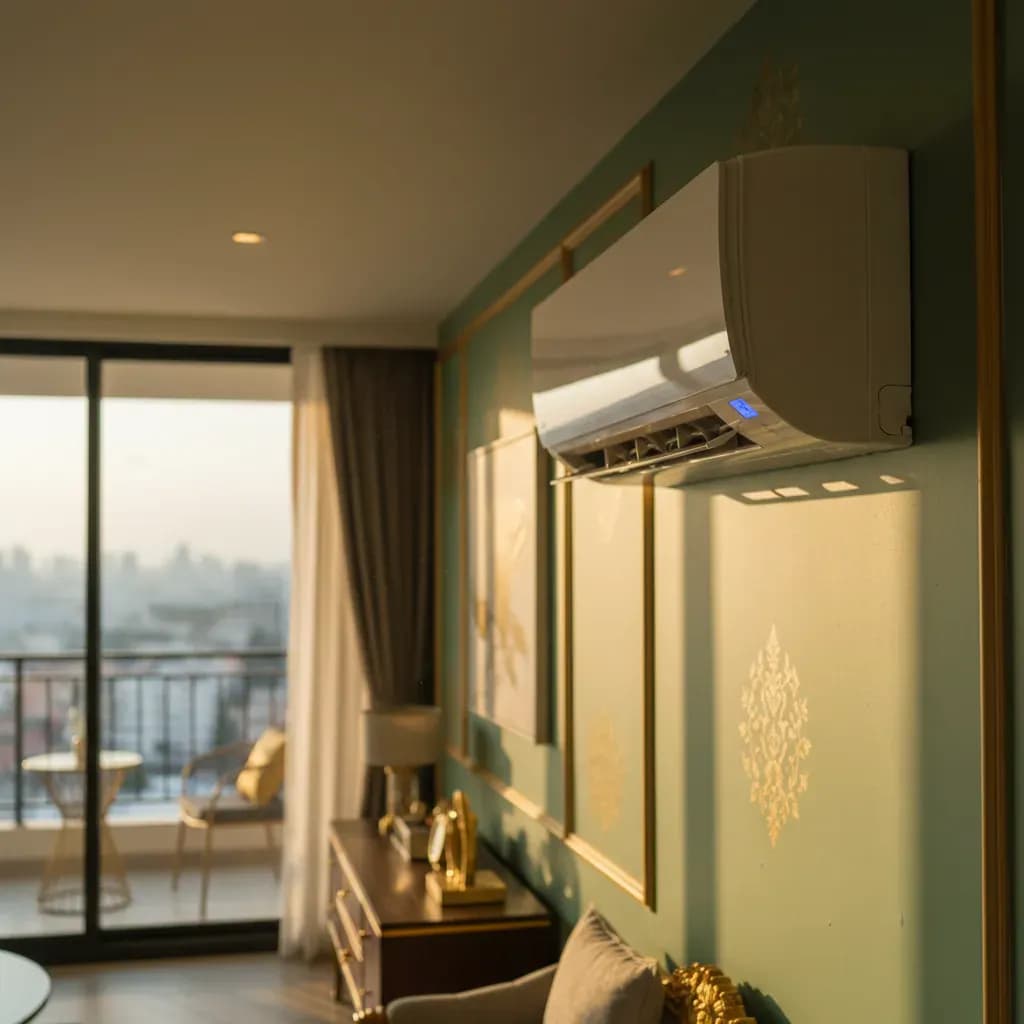
A standard 12,000 BTU split-unit draws roughly 1.0–1.5 kWh (one "unit") per hour while actively cooling, cycling on and off once the room hits temperature. MEA's own testing found a 12,000 BTU unit set to 26°C used about 0.69 units/hour against a 35°C outdoor temperature, climbing to 0.79 units/hour at 41°C outdoors — why April, the hottest month, produces the year's worst bills at an unchanged thermostat setting. The math on a moderate-use case: 1.25 kWh × 12 hours × 30 days × ฿3.95 works out to about ฿1,778 a month for the aircon alone, before lights, fridge and water heater are added.
The rebilling trap
The other swing factor is whether your building passes through the government rate or marks it up. Government tariffs sit at ฿3.88–3.95 per unit in 2026, but many condos and private landlords charge ฿6–10 per unit instead, roughly doubling the electricity line for identical usage. This is legal — the building is the paying customer of record, not you — but two tenants with the same aircon schedule in two buildings can see bills differing by ฿2,000–4,000 a month. Ask the landlord or juristic office which rate applies before signing, and ask to see a recent bill if the answer is vague.
| Usage pattern | Electricity (aircon-driven) | Notes |
|---|---|---|
| Light (evenings only, 200–350 kWh total) | ฿800–1,500/mo | Fan-assisted, aircon only at night |
| Moderate (10–12 hrs/day, one room) | ฿3,000–5,000/mo total | ~฿1,778/mo is the aircon alone |
| Heavy (24-hr, peak hot season) | ฿6,000–9,000/mo | Single hottest month, one unit running constantly |
Source: FarangBlog electricity cost guide 2026; MEA residential tariff schedule and MEA aircon test data; VillaCarte and chiangmai-properties.com aircon-cost breakdowns · verified July 2026 · ฿33/USD. Figures assume a single condo-sized aircon unit; larger homes or multiple units scale up proportionally.
Water and internet
Water is the cheapest utility by far. The Metropolitan Waterworks Authority (Bangkok) and Provincial Waterworks Authority (elsewhere) charge tiered per-unit rates that work out to roughly ฿100–300 a month (~$3–9) for a typical one-bedroom renter, with ฿200 a safe budget number. Fiber internet runs ฿550–1,300 a month (~$17–39), with entry-level 500Mbps–1Gbps plans from AIS, True and 3BB commonly landing around ฿500–900; Numbeo's Bangkok average sits near ฿600. Together, water and internet typically add ฿750–1,400 on top of the electricity bill.
For a full monthly budget with rent, food and transport built in, see the cost of living in Bangkok breakdown, or run your own numbers with the cost-of-living calculator. If you're comparing cities, Chiang Mai's utility and rent numbers run somewhat lower thanks to milder weather and less aircon demand.
Frequently Asked Questions
How much is a typical electricity bill in Thailand with aircon?
Most single people running one aircon unit moderately (10–12 hours a day) pay ฿3,000–5,000 a month in hot season, dropping to ฿1,500–2,500 in cooler months (November–February). Running a unit 24 hours a day through the hottest weeks of April can push a single month to ฿6,000–9,000.
Why does my condo charge more per unit than the government rate?
Because the building, not you, is the government's paying customer, and many landlords and juristic offices rebill tenants at a marked-up rate, commonly ฿6–10 per unit versus the ฿3.88–3.95 government tariff. It's standard practice, not a scam, but it can double your bill. Ask what rate applies before signing.
Is water expensive in Thailand?
No. Budget ฿100–300 a month (~$3–9) for water in a typical one-bedroom condo, one of the smallest lines in an expat budget.
How much does internet cost in a Thai condo?
Fiber internet typically runs ฿550–1,300 a month (~$17–39), with entry-level 500Mbps–1Gbps plans from AIS, True or 3BB landing around ฿500–900. Numbeo's Bangkok average is close to ฿600.
The bottom line
Electricity, not water or internet, is the utility line that can wreck a budget in Thailand, and aircon habits plus landlord rebilling explain almost all of the variation. Assume ฿1,500–3,000 a month for light-to-moderate use most of the year, budget an extra ฿2,000–4,000 for the hottest weeks of March–May, and always confirm your building's per-unit electricity rate before you sign anything.
Sources
- Metropolitan Electricity Authority (MEA) residential tariff schedule, Jan–Aug 2026
- FarangBlog, Mastering Electricity Costs in Thailand 2026, accessed 2026-07-10
- Chobjob, Condo Utility Costs in Thailand: What Is Normal?, accessed 2026-07-10
- Metropolitan Waterworks Authority (MWA) bill calculation guide, accessed 2026-07-10
- Numbeo Bangkok utilities index, accessed 2026-07-08