Cost of Living in Chiang Mai 2026: Real Monthly Budgets
A single expat lives comfortably in Chiang Mai on about ฿45,000 to ฿65,000 a month (~$1,360–1,970) in 2026, which puts the city roughly 10–20% below Bangkok for a similar lifestyle. Rent is the reason: a one-bedroom condo in Nimman or the Old City runs ฿15,000–30,000, while Santitham, one soi over from Nimman, starts from ฿10,000. Go lean and eat mostly Thai food and you can hold a real life together on ฿25,000–35,000.
All figures are in Thai baht, with US dollars converted at the site anchor of ฿33 per USD (rates move; this is a July 2026 snapshot). Chiang Mai's cost of living splits sharply by season and neighborhood, so every number below is dated and sourced.
Quick answer: what a month costs
- Lean single (local-style, Santitham or outer city): ฿25,000–35,000 (~$760–1,060)
- Comfortable single (Western comforts, Nimman/Old City): ฿45,000–65,000 (~$1,360–1,970)
- Premium single (new condo, gym, eating out): ฿80,000+ (~$2,420+)
- Comfortable couple: add roughly 30% to the single figure
- 1-bed rent, Nimman/Old City: ฿15,000–30,000; Santitham: from ฿10,000
- Versus Bangkok: about 10–20% cheaper for a comparable life, mostly on rent
Want your own number instead of an average?
Build my budgetThe line-item budget
Here is a realistic comfortable single-person budget for Chiang Mai, with the same basket at a leaner and a more premium tier.
| Item | Lean | Comfortable | Premium |
|---|---|---|---|
| Rent (1-bed, Nimman/Old City/Santitham) | ฿9,000 | ฿18,000 | ฿35,000 |
| Utilities (incl. aircon) | ฿1,800 | ฿2,800 | ฿4,000 |
| Food & groceries | ฿7,000 | ฿12,000 | ฿22,000 |
| Transport (scooter rental + fuel) | ฿2,500 | ฿3,000 | ฿5,000 |
| Health insurance | ฿1,500 | ฿2,800 | ฿5,500 |
| Phone & internet | ฿550 | ฿750 | ฿1,000 |
| Coworking / gym / entertainment | ฿1,650 | ฿5,650 | ฿12,500 |
| Total / month | ฿24,000 | ฿45,000 | ฿85,000 |
Source: Thailand Ultimate cost dataset, cross-checked against SmartLifeThailand (2026-02-21) and Nomad List Chiang Mai (July 2026) · verified July 2026 · ฿33/USD. Rent and burning-season air-filtration costs vary most.
Want your own number for a different household size or lifestyle? The cost-of-living calculator runs this same basket for any Thai city.
Rent by neighborhood
Rent decides most of the gap between "lean" and "comfortable" in Chiang Mai, and neighborhood decides most of the gap in rent. Nimman is the digital-nomad and café district, walkable and full of coworking spaces; the Old City is quieter and more traditional inside the moat; Santitham, immediately north of Nimman, has near-identical location for noticeably less because it lacks the branding.
| Area | 1-bed monthly rent | Feel |
|---|---|---|
| Nimman (Nimmanhaemin) | ฿15,000–30,000 | Cafés, coworking, nightlife, most expat-dense |
| Old City (inside the moat) | ฿12,000–28,000 | Temples, guesthouses-turned-condos, tourist foot traffic |
| Santitham | ฿10,000–20,000 | Same walk to Nimman, older buildings, better value |
| Nong Hoi / Chiang Mai Business Park | ฿9,000–18,000 | Newer condos, quieter, needs a scooter |
| Hang Dong / outer suburbs | ฿6,000–12,000 | Houses and pool villas, car or scooter essential |
Source: chiangmai-properties.com and RUMAVI rental market notes (accessed 2026-07-10); cross-checked against Nomad List (July 2026) and Hipflat listings. Numbeo is crowd-sourced and skews higher than on-the-ground listings — treat as directional. Verified July 2026.
Landlords in Chiang Mai negotiate more readily than in Bangkok, especially on 6- to 12-month leases outside peak season (November–February), when demand from long-stay visitors is lower.
Three real budgets
The digital nomad in Nimman. A 30-something on a DTV works from a Nimman café and a coworking desk, rents a modern 1-bed at ฿18,000, pays ฿3,500 for a Hub53 or Punspace hot desk, and spends on Grab and imported groceries. Total: roughly ฿50,000–58,000 (~$1,520–1,760).
The lean retiree in Santitham. A retiree on a fixed pension takes an older ฿11,000 studio in Santitham, cooks at home, rides a ฿2,000-a-month rented scooter, and eats mostly at local shops. Total: roughly ฿28,000–32,000 (~$850–970) — near the bottom of the national "modest retiree" band the dossier cites for Chiang Mai.
The comfortable couple in the Old City. Two people share a ฿22,000 two-bedroom near the moat, run aircon daily, eat out three or four nights a week, and keep two scooters. Total: roughly ฿65,000–80,000 (~$1,970–2,420), in line with the "add 30%" rule of thumb for couples.
Utilities, the burning season, and the aircon bill
The government residential electricity tariff is about ฿3.88 per unit (Jan–Apr 2026) rising to roughly ฿3.95 (May–Aug), the same national schedule Bangkok uses, though older Chiang Mai buildings sometimes rebill at a flat, higher per-unit rate — ask before you sign. Aircon use follows the same swing as Bangkok: light evening use costs ฿800–1,500 a month, while running a unit through the hot season (March–May) can push a single month's bill toward ฿6,000–9,000.
Chiang Mai carries one cost Bangkok mostly avoids: burning season, roughly February through April, when agricultural and forest fires push PM2.5 into "unhealthy" territory and the city has ranked among the world's most polluted during peak weeks in 2026. Most long-term expats budget for at least one home HEPA air purifier (a Xiaomi-class unit plus replacement filters runs a few thousand baht a year) and a box of N95 masks at 30–60 THB each from any pharmacy. Some expats leave the city for those eight to ten weeks entirely — factor that into your annual, not just monthly, budget.
Transport: scooters over rail
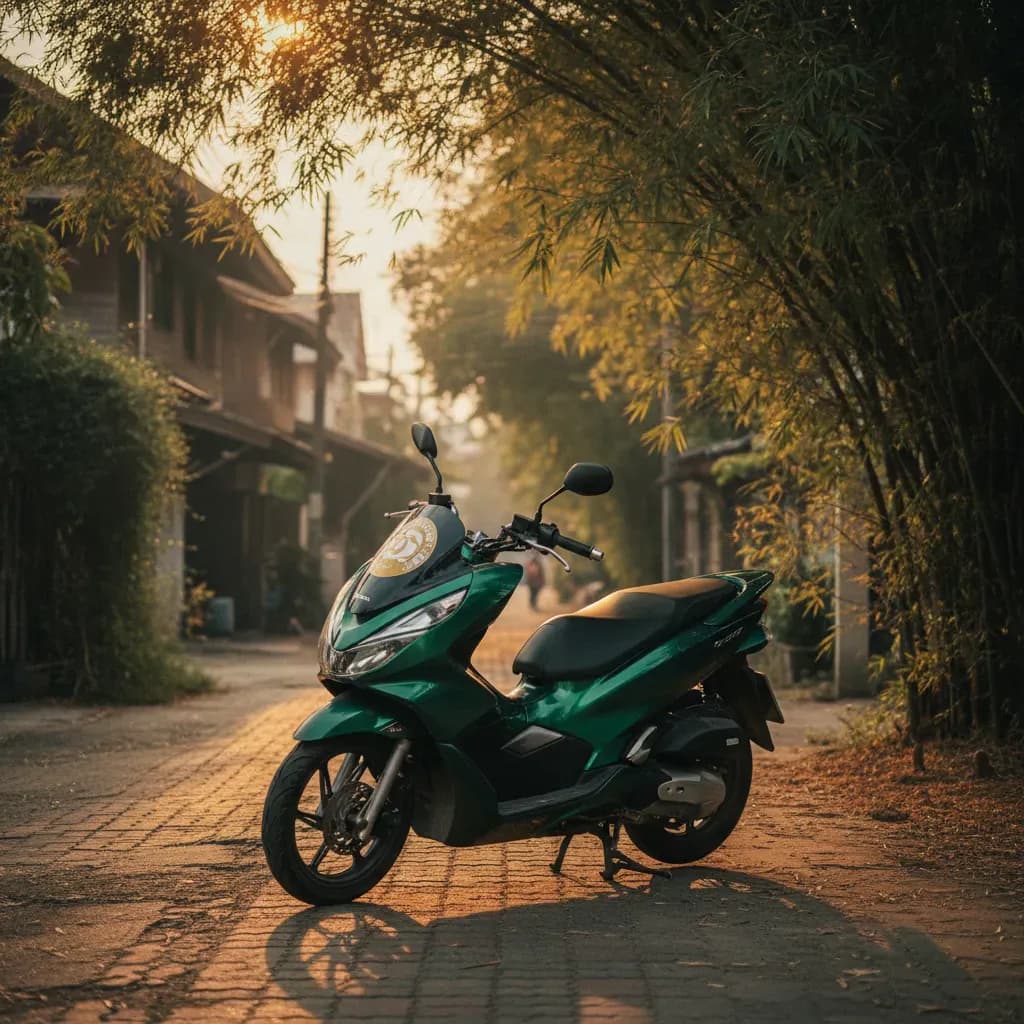
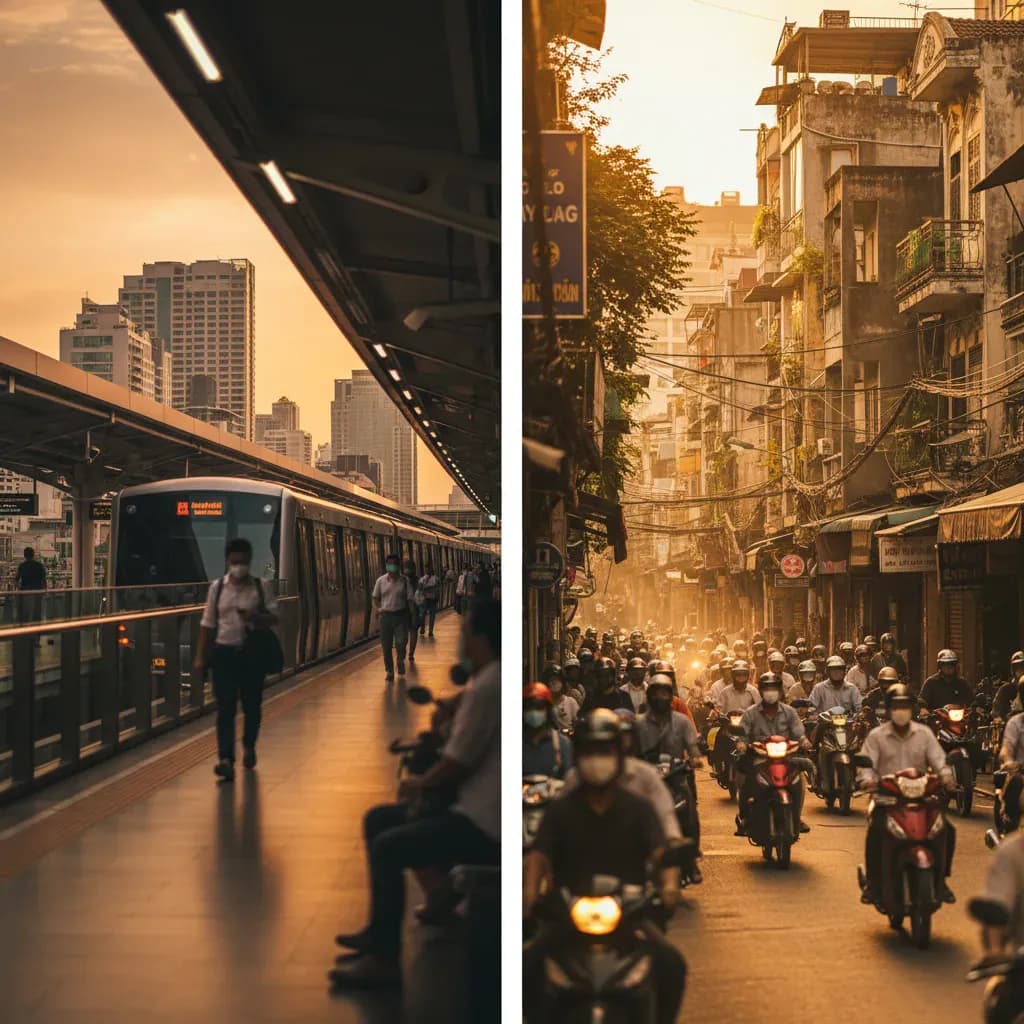
Chiang Mai has no BTS or MRT, so a scooter is the default rather than an option. Monthly rentals for a standard 110–125cc automatic run ฿2,000–4,000, insurance and helmet usually included; larger or premium bikes run ฿4,000–6,000. Fuel adds ฿500–1,000 for typical daily use. Songthaew (red truck) shared rides cost ฿30–50 per hop around town, and Grab operates but with thinner coverage and higher relative prices than Bangkok. Buying a used scooter outright (฿25,000–45,000 for a decent secondhand automatic) pays for itself inside a year if you are staying long-term.
Coworking and the digital-nomad layer
Chiang Mai's reputation as a nomad hub is not marketing: Nimman alone has several dedicated coworking spaces. Hub53 and Punspace run hot-desk memberships from about ฿3,500 a month; Alt_ChiangMai sits around ฿4,000; Yellow, the largest space in the city, starts near ฿6,000 for 24/7 access. All advertise 100–300 Mbps connections with backup lines, which matters if your income depends on a stable video call.
Chiang Mai versus Bangkok and the rest of Thailand
Chiang Mai is consistently the cheapest of Thailand's major expat cities for a comparable single-person life, roughly 10–20% below Bangkok, mostly on rent rather than food or transport. See the full Bangkok cost of living breakdown, or the direct Bangkok vs Chiang Mai comparison if you're choosing between the two. Health insurance and Thai tax exposure work the same regardless of city — a Chiang Mai resident who spends 180+ days a year in Thailand and remits foreign income is subject to the same remittance-based rule covered on the Thailand foreign income tax status tracker, and the same health insurance shopping logic applies whether you're in Nimman or Sukhumvit. If you're opening a bank account to manage rent and bills locally, the process and eligibility hurdles are the same nationwide — see opening a Thai bank account.
Frequently Asked Questions
How much does a single person need per month in Chiang Mai?
Plan for ฿45,000–65,000 (~$1,360–1,970) for a comfortable single-person life in 2026, including a 1-bedroom condo in Nimman or the Old City, aircon, mixed dining and a rented scooter. Lean, local-style living runs ฿25,000–35,000, mostly by renting in Santitham or the outer suburbs and cooking at home.
Is Chiang Mai cheaper than Bangkok?
Yes, by roughly 10–20% for a comparable lifestyle, driven almost entirely by lower rent. A Nimman one-bedroom that costs ฿18,000–20,000 would run ฿25,000–30,000+ in a comparable Bangkok neighborhood; food, scooter transport and utilities are only modestly cheaper in Chiang Mai.
What's the difference between renting in Nimman and Santitham?
Location, mostly. Santitham sits immediately north of Nimman with the same walk to cafés and coworking spaces, but older buildings and less brand recognition mean rents start from about ฿10,000 versus ฿15,000–30,000 in Nimman proper for a similar-sized unit.
Do I need a scooter in Chiang Mai?
Almost always. Chiang Mai has no rail transit, so most residents rent (฿2,000–4,000/month) or buy a secondhand automatic scooter (฿25,000–45,000) rather than relying on songthaews and Grab alone.
How much does burning season add to my budget?
Expect a few thousand baht a year for a home air purifier and filters, plus N95 masks at 30–60 THB each during February–April. Some expats budget for a short trip out of the city during the worst weeks instead, which is a travel cost rather than a recurring living cost.
The bottom line
Chiang Mai delivers a genuinely lower cost of living than Bangkok without asking you to give up coworking spaces, decent healthcare access or a walkable neighborhood. A careful single person lives well near ฿30,000 a month; ฿50,000 buys real comfort in Nimman or the Old City. The trade-off is burning season and a scooter-dependent transport system — budget for both, and the rest of the numbers here hold up all year.
Sources
- Numbeo Chiang Mai cost-of-living index, accessed 2026-07-08
- SmartLifeThailand, Cost of Living by City 2026 (updated 2026-02-21)
- chiangmai-properties.com and RUMAVI rental market notes, accessed 2026-07-10
- Nomad List Chiang Mai budget data, July 2026
- Punspace, Yellow, Alt_ChiangMai, Hub53 coworking rate cards, accessed 2026-07-10
- Metropolitan Electricity Authority residential tariff schedule, Jan–Aug 2026