Living in Thailand on $1,000 a Month: What You Actually Get
฿33,000 a month (~$1,000 at the site anchor of ฿33/USD) buys a real life in Thailand in 2026, but only in specific places and with specific trade-offs. It works in Chiang Mai's local neighborhoods and in small Isaan cities like Khon Kaen, Udon Thani, Korat, or Ubon Ratchathani. It does not work in Bangkok, Phuket, or any coastal tourist zone, and it barely covers proper health insurance. This is the honest version, not the "Thailand is dirt cheap" version.
Every figure below is baht first with USD in parentheses at ฿33/USD (rates move; treat this as a July 2026 snapshot). Cost-of-living numbers are inherently ranges, not fixed prices, so where sources disagree we say so.
Quick answer
- ฿33,000 (~$1,000)/month works in Chiang Mai's local neighborhoods (Santitham, Hang Dong) or small Isaan cities — not Bangkok, Phuket, or Pattaya.
- Rent takes just ฿5,000–10,000 for a local-style studio or one-bed, far below any Western-standard condo.
- Health insurance is the real sacrifice. A basic inpatient-only expat plan runs ฿20,000–40,000 a year on its own — roughly ฿1,700–3,300 a month before you've spent a baht on rent or food.
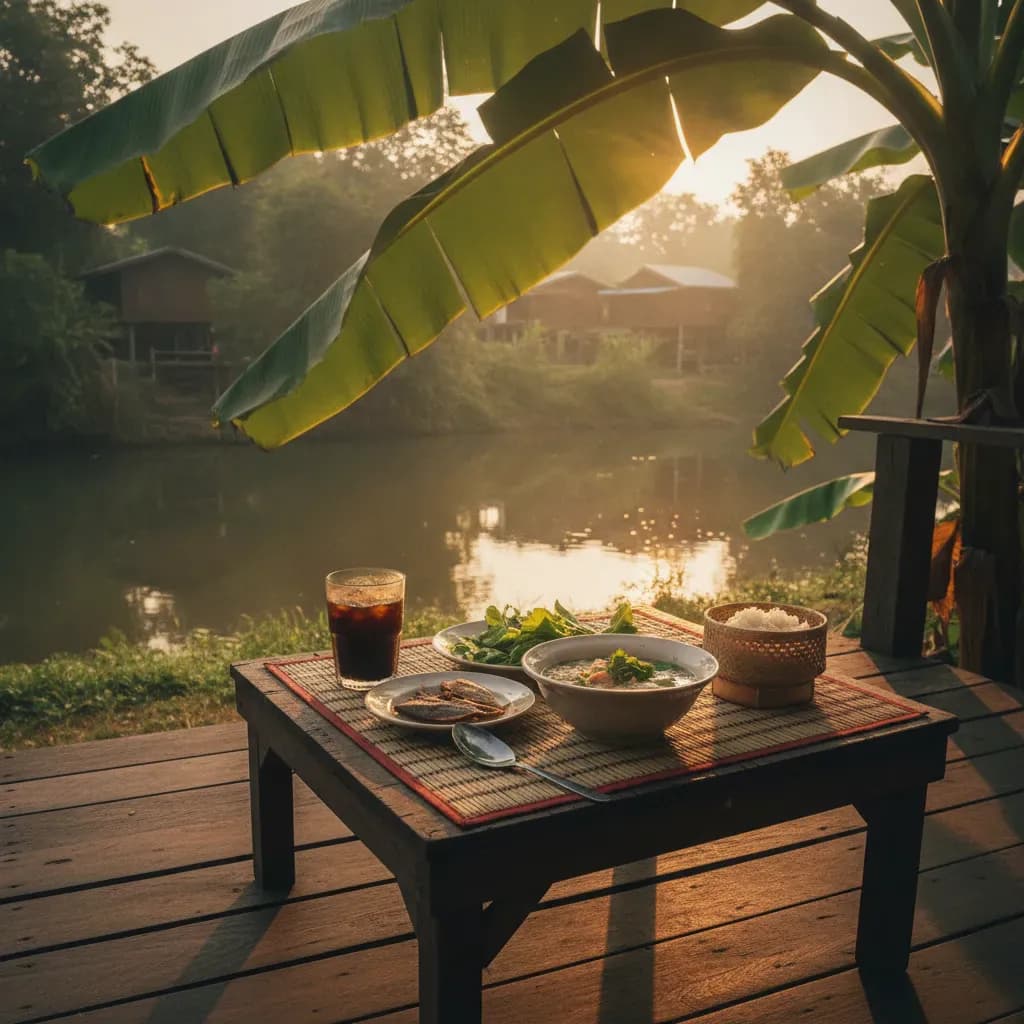
- Food must be nearly all Thai street food and wet-market shopping, at roughly ฿70 a meal; Western food or imported groceries blow the budget fast.
- There's no cushion. No travel, no dentist visit beyond routine, no bad-month buffer. Most advisers who work with real budgets put the comfortable floor closer to ฿45,000–50,000 (~$1,500).
- This budget does not qualify you for most long-stay visas. It describes monthly spending, not the lump-sum capital visas require — see the visa section below.
Want your own number instead of an average?
Build my budgetWhere ฿33,000 a month actually works
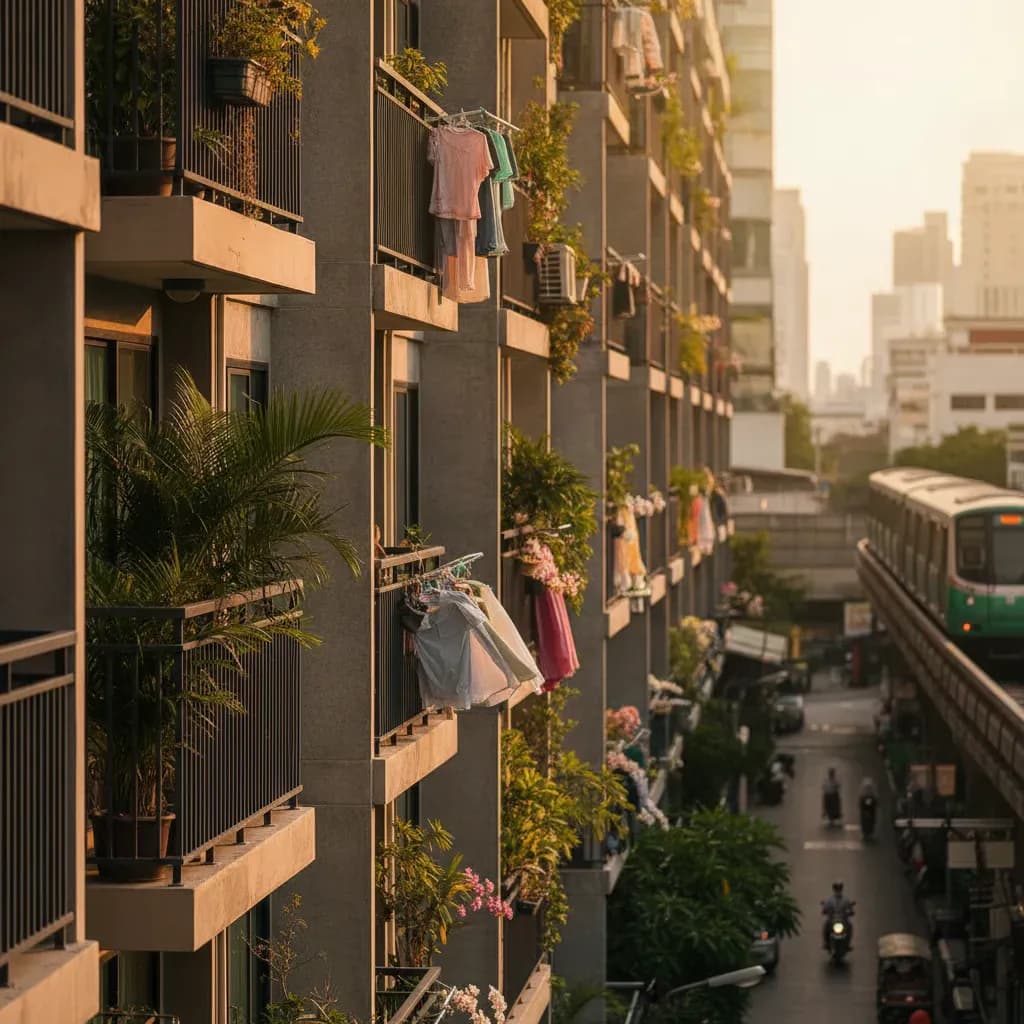
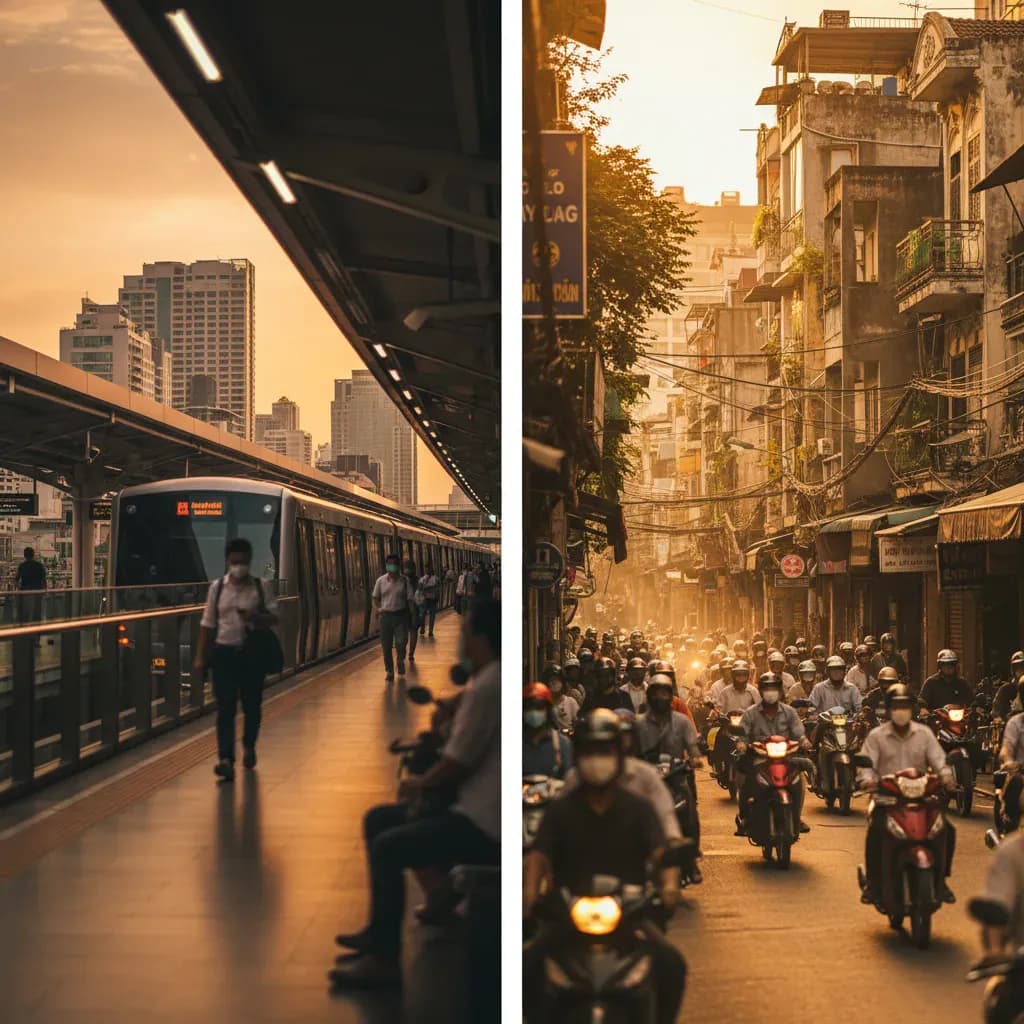
Location decides whether $1,000 a month is comfortable or a grind. In Bangkok or Phuket it means a cramped room far from transit and a lot of instant noodles. In Chiang Mai's local (non-Nimman) neighborhoods and in Isaan's provincial cities, it stretches into an actual apartment, cooked meals, and a scooter to get around.
| Area | 1-bed / studio rent | What ฿33,000/mo feels like |
|---|---|---|
| Chiang Mai — Nimman / Old City | ฿15,000–30,000 | Rent alone can eat the whole budget |
| Chiang Mai — Santitham / Hang Dong | ฿6,000–8,000 | Workable — the realistic $1,000 zone |
| Khon Kaen, Udon Thani, Korat | ฿4,000–10,000 | Comfortable local life, minimal foreigner infrastructure |
| Ubon Ratchathani / rural Isaan towns | ฿4,000–8,000 (some rural houses under ฿5,000) | Cheapest end of the country, very local, little English |
| Bangkok / Phuket / Pattaya | ฿10,000–35,000+ | ฿33,000 does not realistically cover a comfortable single life |
Source: RentHub.in.th Chiang Mai listings and ExpatDen/TheThailandLife regional budget guides · verified July 2026 · ฿33/USD. Isaan rents are the least documented on listing sites — treat as directional and confirm locally.
Isaan is genuinely the cheapest region in the country: rural houses in the Northeast sometimes rent for as little as ฿5,000, and small-city studios in Khon Kaen or Udon Thani commonly run ฿4,000–10,000. The trade-off is limited English, thinner expat infrastructure, and fewer international-standard clinics than Chiang Mai. Weigh that against the Chiang Rai / Isaan cost of living breakdown before committing to a province.
The sample budget: where ฿33,000 actually goes
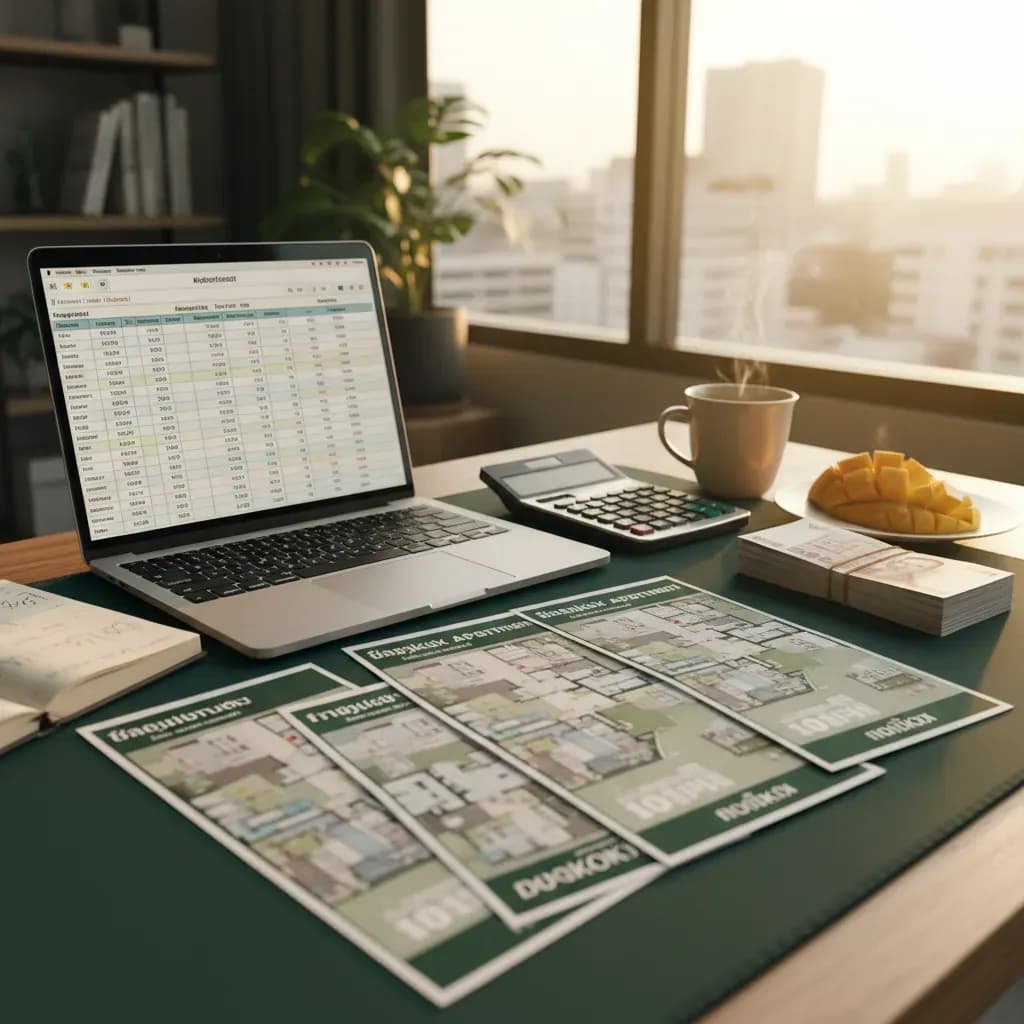
This is a realistic single-person line-item budget at the $1,000 mark, built for Chiang Mai's local neighborhoods or a comparable Isaan city — not a theoretical minimum.
| Item | Monthly (THB) | Notes |
|---|---|---|
| Rent (local-style studio/1-bed) | ฿8,500 | Santitham/Hang Dong or Isaan provincial city |
| Utilities (fan-heavy, light aircon) | ฿1,800 | Rises fast if you run aircon all day |
| Food (street food + wet market) | ฿9,000 | ~฿70/meal average; almost no Western food or imports |
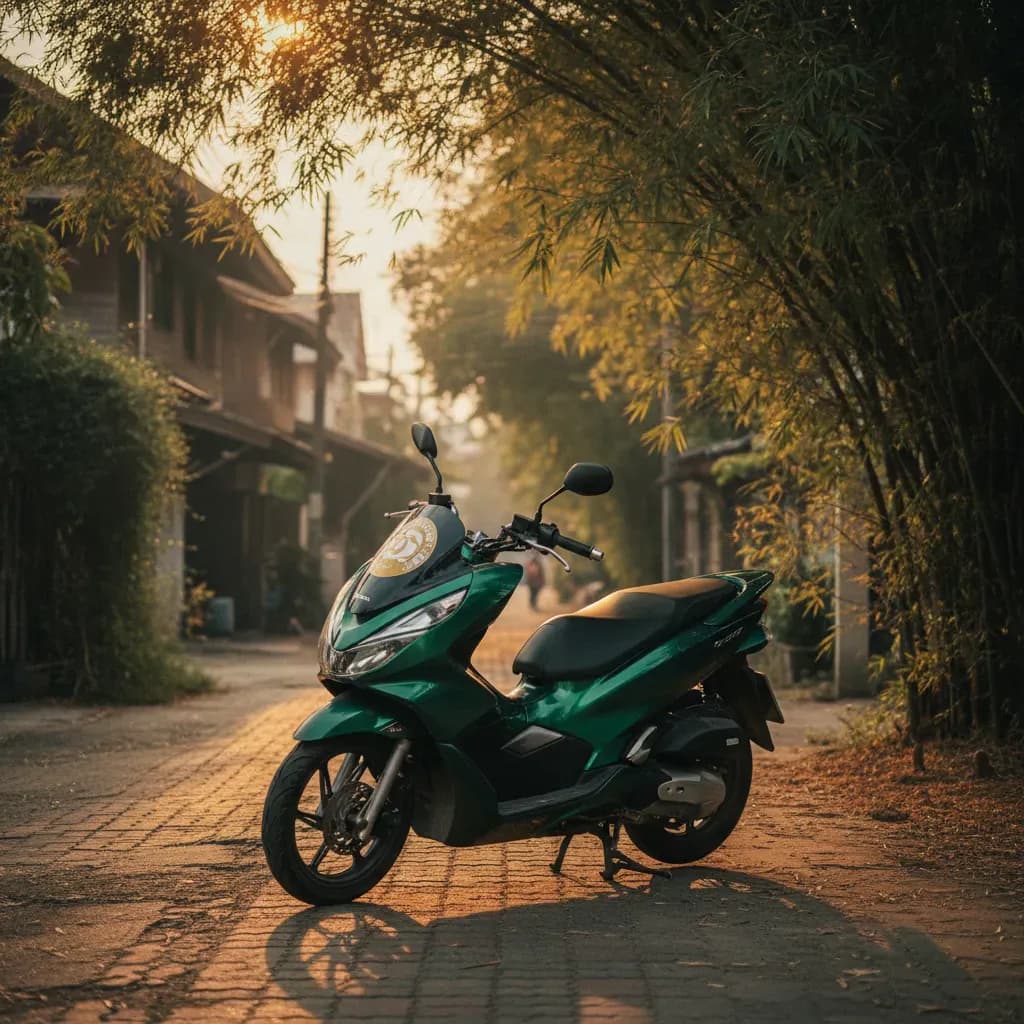
| Transport (scooter gas, songthaew) | ฿2,000 | Assumes you already own or lease a scooter |
| Phone & internet | ฿700 | Prepaid SIM + basic home wifi |
| Health insurance (cheapest inpatient-only, monthly share) | ฿2,800 | ≈฿33,600/yr — see the honest math below |
| Household, toiletries, laundry | ฿1,500 | |
| Coffee, the odd beer, small outings | ฿3,000 | |
| Buffer / miscellaneous | ฿3,700 | Absorbs price shocks, not emergencies |
| Total / month | ฿33,000 (~$1,000) |
Source: Thailand Ultimate cost dataset, built from SmartLifeThailand (2026-02-21), ExpatDen and RentHub.in.th figures · verified July 2026 · ฿33/USD.
Notice insurance is already the second-biggest line after food, and it's barely adequate. Cut it and you free up ฿2,800 a month for a nicer apartment or more travel — right up until you need a hospital.
What you sacrifice at this budget
Location and community. This budget rules out Bangkok's condo towers, Phuket's beach towns, and most of Pattaya. You trade proximity to international hospitals and a large expat scene for cheaper rent in Chiang Mai's outer neighborhoods or an Isaan provincial city where you may be one of very few foreigners.
Diet. Nearly every meal needs to be Thai street food or wet-market cooking. A Western brunch or a bottle of wine from Villa Market can eat a week's food budget in one sitting. Aircon has to be rationed too — run it around the clock and utilities alone can hit ฿3,000–4,000.
Any shock absorber. There's no line for a flight home, a laptop repair, or a bad month. Without a pension or remote income behind this budget, one unplanned expense forces a choice between debt and going home.
Health insurance: the honest math
Thailand's 30-baht universal coverage scheme is for Thai citizens only — foreigners have no access to subsidized public care. If you hold a Thai work permit, the Social Security Fund (SSO) covers you at one assigned hospital for roughly ฿875/month as of 2026 — the cheapest real option, but only if you're legally employed, and it ties you to a single hospital. See Thai Social Security (SSO) for expats.
Without SSO access, the cheapest genuine private options are inpatient-only plans from Pacific Cross (~฿32,000–35,000/yr) or AXA Thailand (from ~฿30,000/yr), covering hospitalization only, not outpatient visits or dental. That's ฿1,700–3,300 a month most "$1,000 a month" articles quietly leave out. Many people at this budget skip insurance entirely and gamble — a real risk, since an unplanned ER visit and a few days of admission at a private hospital can run ฿80,000–300,000+, wiping out months of this whole budget in one bad week. See cheapest expat health insurance and best health insurance for expats in Thailand before deciding to go without.
Visa reality check: this budget doesn't buy you a visa
A $1,000-a-month spending budget and a visa's financial requirement are two different things, and mixing them up is a common mistake.
- Retirement visa (Non-O/O-A): needs ฿800,000 seasoned in a Thai bank, or ฿65,000/month verifiable income, or a combination totaling ฿800,000/year. A $1,000/month spender who also draws a larger pension from abroad can still qualify — the test is about seasoned capital and income, not local spending.
- DTV (Destination Thailand Visa): needs roughly ฿500,000 (~$14,000–15,000) in liquid funds, seasoned for about three months — a lump-sum proof-of-funds test, not a monthly spending test. Check your numbers against the DTV funds checker before assuming you qualify.
- Marriage visa (Non-O via Thai spouse): ฿400,000 in a Thai bank, or ฿40,000/month income, or a blend — see marriage visa money requirements.
- LTR visa: requires a net-worth or passive-income test well beyond a $1,000/month budget — not built for this lifestyle.
People who genuinely live on $1,000 a month usually fall into one of two profiles: retirees who parked their visa capital separately (the ฿800,000 deposit) and simply spend modestly day to day, or long-termers on an education visa, dependent visa, or extension whose spending has nothing to do with their visa's qualifying finances. With only $1,000/month cash flow and nothing seasoned in a Thai bank, most long-stay routes are currently out of reach.
If ฿33,000 feels too tight even with these numbers, living on ฿66,000 (~$2,000) a month is the next realistic step, buying back most of what this budget sacrifices: real insurance, a nicer apartment, and a cushion.
Frequently Asked Questions
Can you actually live in Thailand on $1,000 a month in 2026?
Yes, but only in specific places: Chiang Mai's local neighborhoods (not Nimman) or small Isaan cities like Khon Kaen, Udon Thani, or Korat. It requires near-total local eating, a modest apartment, and usually skipping or minimizing health insurance — a real financial risk.
Where in Thailand is $1,000 a month enough?
Chiang Mai's Santitham and Hang Dong areas, and Isaan cities like Khon Kaen, Udon Thani, Korat, and Ubon Ratchathani. It is not realistic in Bangkok, Phuket, Pattaya, or Koh Samui, where rent alone can absorb the whole budget.
Does $1,000 a month in Thailand include health insurance?
Not fully. A basic inpatient-only expat plan costs roughly ฿20,000–40,000/yr (~฿1,700–3,300/month) — a meaningful share of a ฿33,000 total. Many people at this spending level go without insurance or under-insure, the single biggest financial risk of living this lean.
What visa can I get on a $1,000-a-month budget?
Monthly spending has no direct bearing on visa eligibility, because Thai visas test seasoned capital or verified income, not local spending. A retiree with ฿800,000 seasoned in a Thai bank or ฿65,000/month outside income can qualify for the retirement visa while spending $1,000/month locally; someone with only $1,000/month cash flow and no seasoned capital will struggle with most long-stay routes.
Is $1,000 a month enough for a couple in Thailand?
Generally not comfortably. Couple budgets typically run about 30% above a single person's, pushing a comfortable couple figure toward ฿43,000–45,000 even in cheap regions. Two people can hold ฿33,000 combined only by sharing rent and eating almost exclusively local food, with essentially no insurance budget for either.
The bottom line
฿33,000 a month is a real number for a real life in the right place — Chiang Mai's quieter neighborhoods or an Isaan provincial city, local food, a scooter, and modest rent. What it is not is a complete safety net. Health insurance, travel, and any financial shock have to come from somewhere else, or you accept the risk of going without. If the number that actually matters to you is a cushion rather than a survival floor, budget closer to ฿45,000–50,000 (~$1,500) and treat ฿33,000 as the honest minimum, not the target.
Sources
- SmartLifeThailand, Cost of Living by City 2026 (updated 2026-02-21)
- ExpatDen, Cost of Living in Thailand as an Expat 2026, accessed 2026-07-10
- RentHub.in.th Chiang Mai rental listings, accessed 2026-07-10
- TheThailandLife, Cost of Living in Thailand 2026, accessed 2026-07-10
- insurance-thailand.com, cheapest expat health insurance guide, 2026
- Thaiger, Expat healthcare in Thailand: costs & coverage, 2026